About 15 Ton Double Girder Eot Crane
15 Ton Double Girder EOT Crane Description
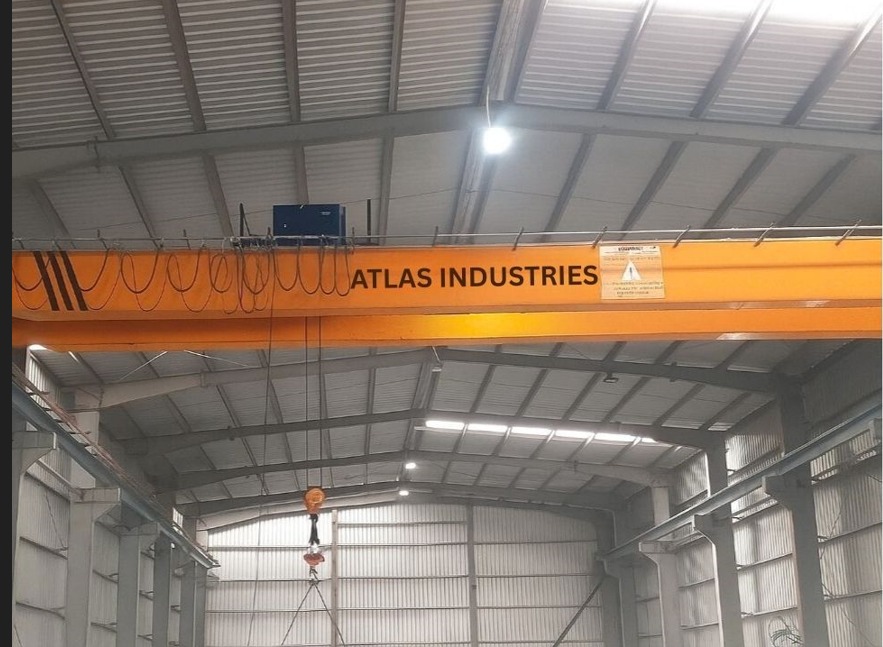
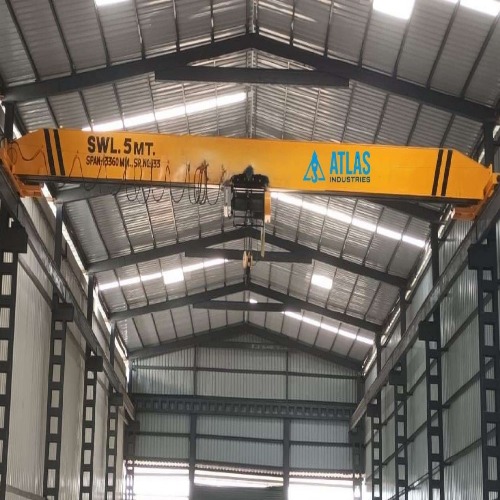
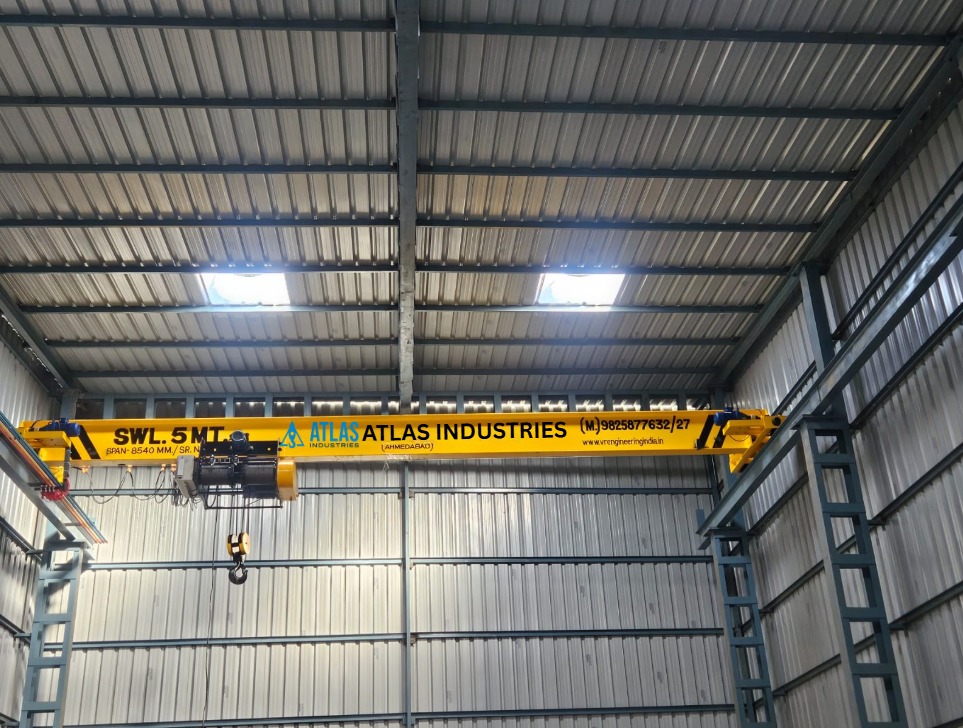
A 15 Ton Double Girder EOT (Electric Overhead Travelling) Crane is a heavy-duty material handling solution designed for safe and efficient lifting in industrial environments. Equipped with two robust girders, this crane ensures higher stability, strength, and durability compared to single girder cranes.
Key Features:
-
Capacity: 15 Ton
-
Design: Double Girder for heavy-duty applications
-
Span: Customized as per requirement
-
Height of Lift: As per clients need
-
Travel Mechanism: Smooth long travel (LT) and cross travel (CT) operation with geared motors
-
Hoist Type: Wire Rope Hoist mounted on a trolley for precise lifting
-
Operation: Pendant control / Radio remote control / Cabin control (optional)
-
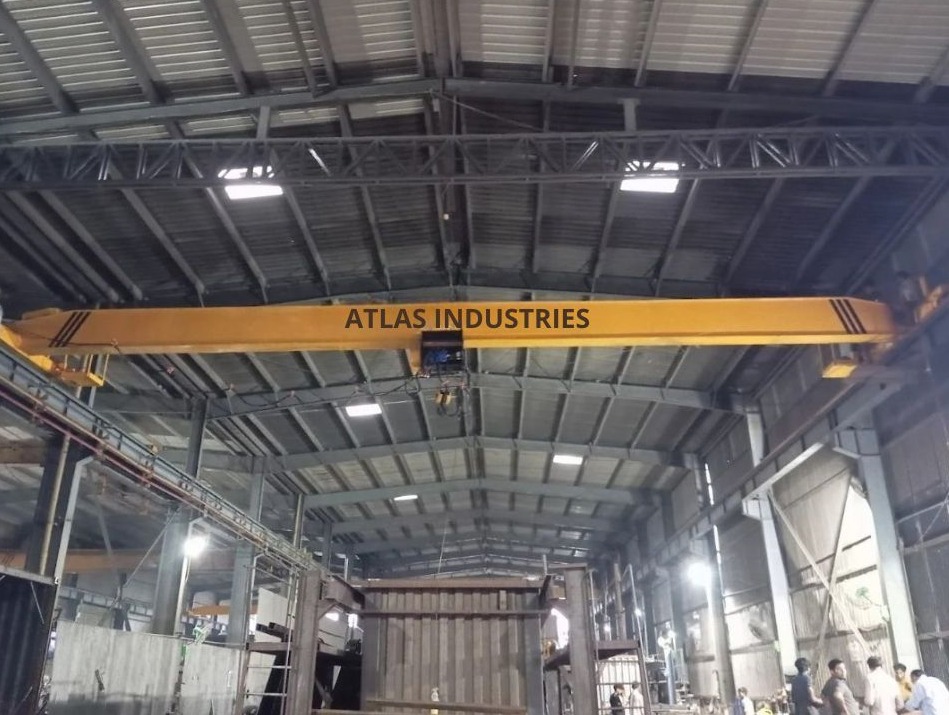
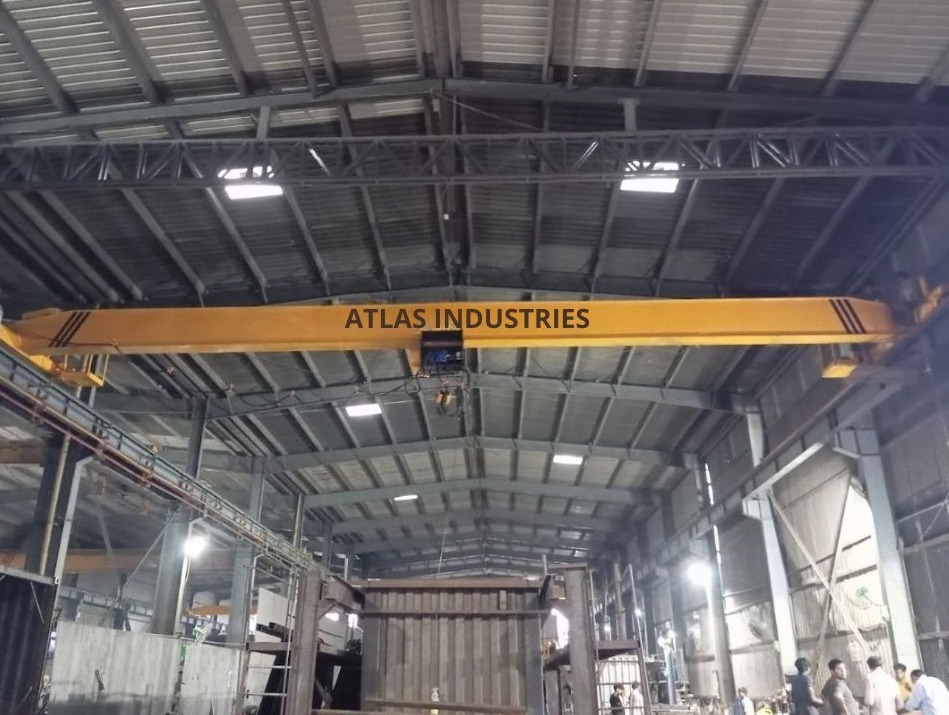
Application: Ideal for steel plants, warehouses, engineering industries, heavy fabrication workshops, and material handling operations
Advantages:
-
High load-bearing capacity
-
Longer service life due to rugged construction
-
Smooth, vibration-free, and safe operation
-
Low maintenance cost
Engineered for Industrial StrengthBuilt to excel in rigorous industrial contexts, the 15 Ton Double Girder EOT Crane utilizes a heavy-duty gearbox and wire rope mechanism for durable material handling. Its dual-girder design enhances stability, making it ideal for factories, warehouses, and heavy manufacturing sites demanding consistent and safe lifting solutions.
Optimized Safety and ControlWith features like a reliable AC disc brake system, emergency stop, and manual operational modes, this crane prioritizes operator safety and precise control. The structure is crafted to minimize risks, ensuring secure handling of heavy loads up to 15 tonnes.
Efficient Power and PerformanceOperating at 440V and capable of reaching lifting speeds up to 15 meters per minute, the EOT Crane maximizes productivity in fast-paced environments. Its 20-meter lifting height and robust construction make it a valuable asset for handling diverse loads on expansive worksites.
FAQs of 15 Ton Double Girder Eot Crane:
Q: How is the 15 Ton Double Girder EOT Crane installed at industrial sites?
A: Installation involves securing the crane structure to existing rails or beams within your facility. The process is overseen by qualified technicians to ensure proper alignment, integration with the electric system, and verification of manual and emergency functions for optimal safety and efficiency.
Q: What benefits does the double girder design provide in material handling?
A: The double girder structure offers superior load distribution, greater stability, and allows for higher lifting heights. This design supports a maximum lifting load of 15 tonnes, making it highly reliable for heavy-duty industrial applications.
Q: Where can this crane be most effectively used?
A: This crane is perfect for heavy manufacturing plants, warehouses, assembly lines, and other industrial sites where consistent high-capacity lifting and precise load placement are required.
Q: What is the primary lifting mechanism utilized in this crane model?
A: A robust wire rope lifting mechanism is integrated, ensuring secure and smooth elevation of loads up to 20 meters, complemented by a heavy duty helical gear type gearbox for long-term durability.
Q: When should routine maintenance be performed?
A: Routine maintenance should be conducted at regular intervalstypically monthly or as advised by the manufacturerto check the electrical, mechanical, and safety systems, including the brake, hoist, and wire rope mechanism.
Q: How does the crane ensure operator safety during use?
A: The crane features an AC disc type braking system and an emergency stop function, providing immediate response during potential hazards to enhance operational safety.
Q: What is the typical usage process for operating this EOT crane?
A: The operator controls the crane manually, positioning it over the load, securely attaching the load to the hook, and managing lifting, traversing, and lowering movements using the electric hoist and manual controls as guided by operational procedures.





 Send Inquiry

